
By Deborah Kline, Ed.S.
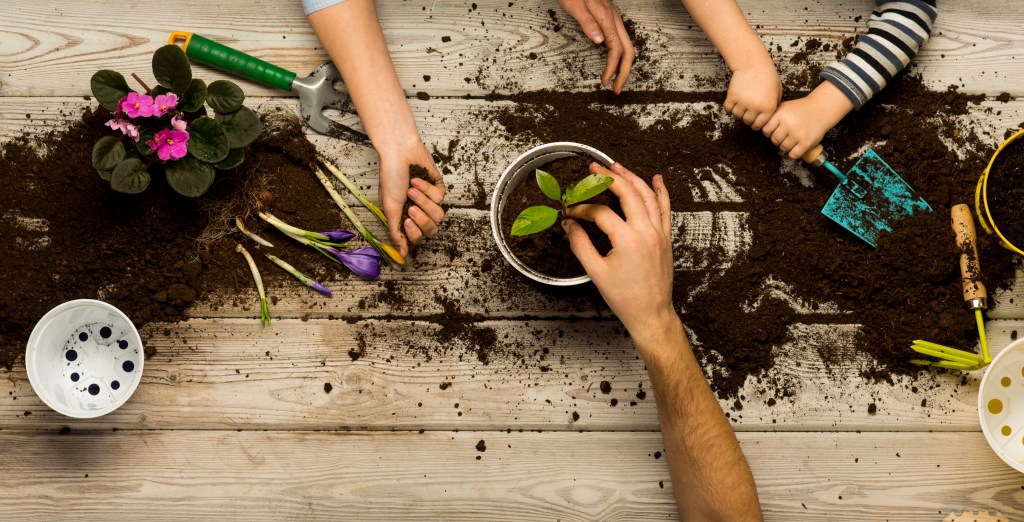
Some years back, I had the joy of living in Germany for a summer. As with any adventure in a county where the primary language is not your own, I had to quickly familiarize myself with the language and customs. In learning German, a language evolved from the same roots as English, I always picked up on the similarities to help me decipher words. Two words that intrigued me most were “kinder” and “garten.” “Kindergarten” is German for “child garden.” From this recognition came the inspiration that all learning is a garden – the guiding analogy for the years of teaching ahead.
In my home country (and likely my readers’), kindergarten refers to the foundational year of school, prior to the formal grades. It’s a year of growing in a variety of skills – social and behavioral as important as letters and numbers – skills necessary for success in any learning environment. Yet the emphasis on “kindergarten” skills wanes as students enter into higher academics.
What if we thought all of education levels as a “kinder garten”? Social and behavioral skills are just as important in the latter grades as they are in the primary – yet little emphasis is placed on developing them holistically. As an education researcher, I became astutely aware of how our education system is preoccupied with making sure the students meeting standards, preparing for assessment, engaging in rigorous college-preparatory pursuits, yet we are still missing the holistic development.
What if we taught the child how he or she learns best instead of expecting every child to follow the same recipe for growth?
The Garden Metaphor
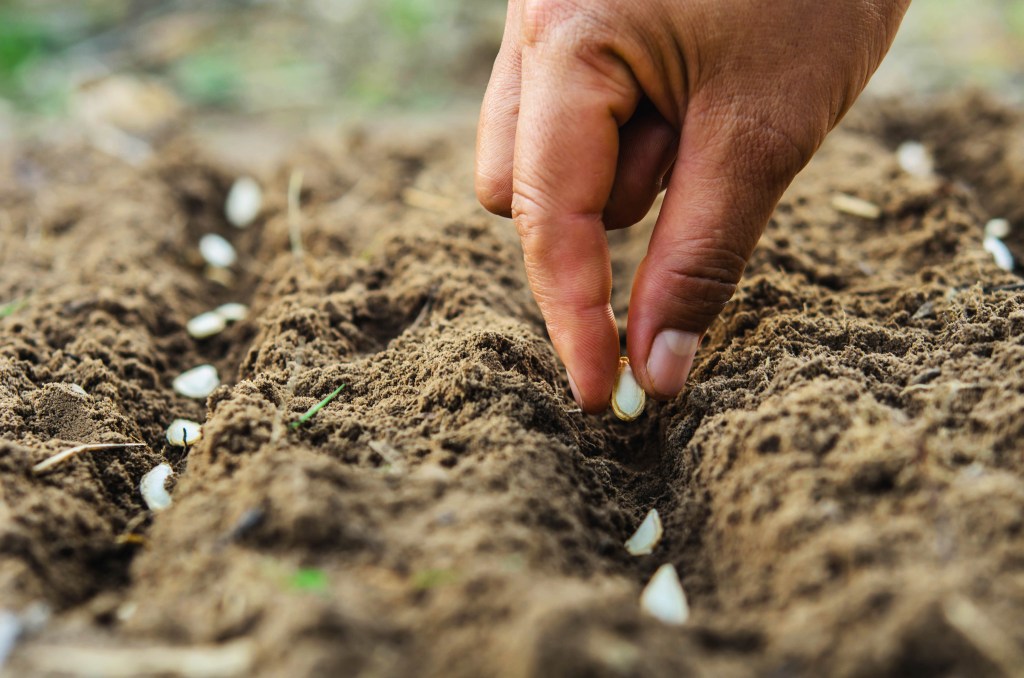
I have loved gardening since my mother first taught me how to plant tulips and grow impatiens from rooting compounds as a child. My first job was assisting in a greenhouse. I watched intently as the master gardener taught me how to germinate, plant, care, transplant, and transplant again until the plant was in its best place to thrive. I learned gardening was not simply “plant the seed in the ground and watch it grow.” Even then, what stuck with me was the truth that every plant has a unique formula for thriving.
During the pandemic, a renewed love of gardening became my daily source of joy – filling much of my time and energy with life-giving moments in the garden… and a few frustrations with the pests and unrelenting heat.
As part of my daughter’s life science lessons, I decided to make an herb and vegetable garden in addition to the butterfly habitat we already had in our yard. I had always had success with butterfly plants but had never tried edible plants. So, with the extra time, growing food became my goal.
Only – it was not as easy as I thought it would be. Then again, raising any life form never is.
Some plants grew profusely (anyone need cilantro or strawberries?) while others it was an endless battle against pests and the scorching sun.
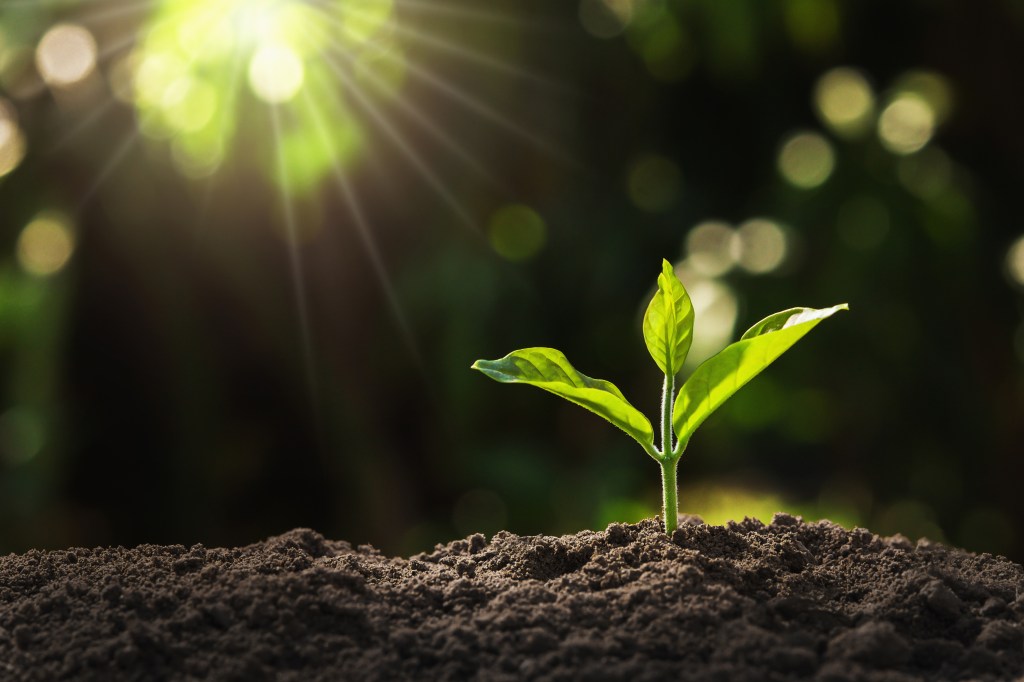
Through the experience, the garden continued to teach me:
- Every plant has a unique formula of care it needs to thrive. The amount of sun, water, PH, minerals, vitamins, pot space, soil type, pest control (or no pest control), pollination, mulch (or no mulch) – you name it – every little element determines how well a plant grows… and every plant has a different formula for growth.
- Location matters. You know the old saying “Bloom where you are planted?” While that may apply to some situations, any good gardener knows it is the gardener’s responsibility to observe, research, plant, and move the plant where the flower can grow and bloom. Figuring out where a plant thrives is a constant puzzle. I garden mostly in pots – partly because my soil is terrible and only the hardiest of plants grow in it, but also because I can easily move a pot if a plant isn’t thriving in one location. I had one plant that I moved probably 5 times before I finally found a place where it grew lush and green.
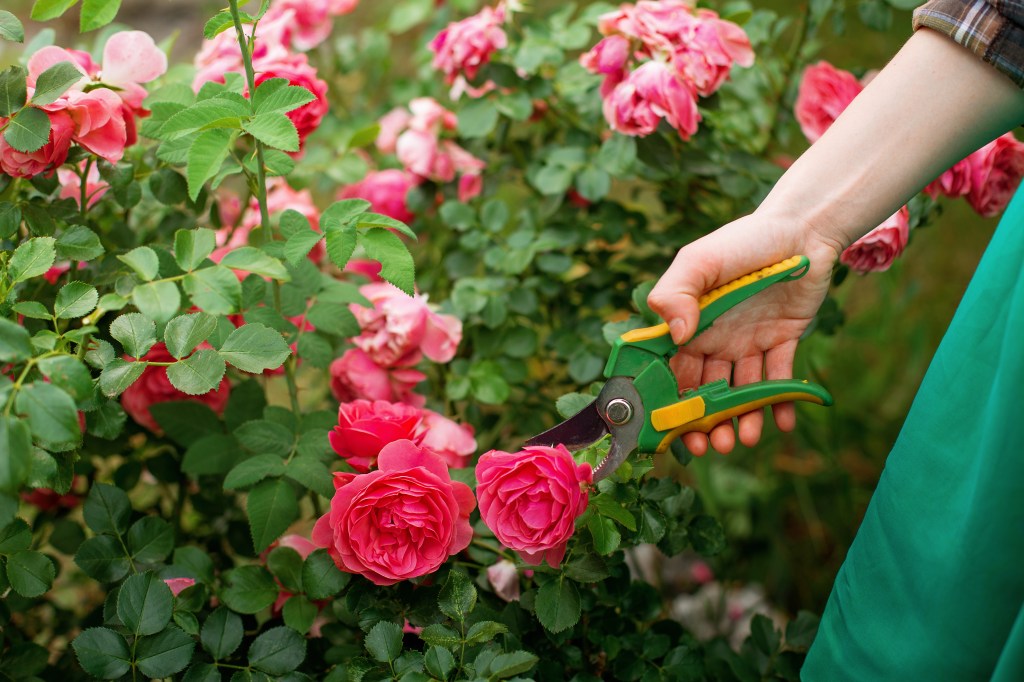
- Pruning is necessary for the plant’s growth and survival. Pruning is time consuming. It requires attention and care. It also seems almost cruel – especially when the plant seems to be flourishing, but the gardener knows that if it is not pruned, it’ll be susceptible to diseases or other conditions. Roots can only support a plant of a certain size, if it gets too big, the roots struggle to bring in enough nutrients and water to keep the plant healthy – this is especially true in potted plants. So, we prune not only for appearance but also for the health of the plant.
- Pruning helps other parts grow. When I procured citrus trees, I learned the proper way to prune a citrus tree was to ensure the stems didn’t grow inward restricting the inside stems’ growth. I never thought about it before – but pruning helps other parts of the plants grow better. It’s about the holistic development, not just one part.
- Gardeners are continually learning about their plants. Learning about plants is never-ending – there are so many of them! And the nutrition, diseases, conditions, pests – every year of a plant’s growth is different from the year before. It is a constant process of studying the plant but also researching and learning from others.
The “Kinder Garten” Gardener
Just like the plants in my garden, each student has a unique formula for thriving. I have yet to have two students who learned the same way. Sure, some remind me of other students – they share some similarities – but realistically, no two children are alike, just like no two plants are alike. Even two plants of the same kind can have vastly different growth patterns and results.
What works with one student will not work the same with another. This does not mean teachers have to reinvent the wheel every time they teach a new student. What it means is teachers need to have a plethora of approaches in their tool box, ready to try different means of connecting the student with meaningful learning moments. This comes with time, practice, but also an investigative approach to teaching.
Moving the student into a new direction, new curriculum, new environment can make the difference between surviving and thriving. We made a “location” decision when my daughter was in 3rd grade. She was miserable. She hated learning. Academically and socially, there was no growth. So, we moved her from school into homeschooling where she is now thriving. Yet, for my son, he was opposite. He did a year of virtual schooling. Academically he did ok, but he was not thriving, so he went back to his public school where he quickly showed signs of thriving again. Again, no two students have the same needs.
Pruning (correcting, directing in a loving and attentive way) is necessary for growth.
Deborah Kline, Ed.S.
How are you using pruning in your educational environment? Pruning is lovingly correcting students, guiding them towards stronger study and learning skills and habits. Pruning also means reducing the “fluff” or what is not working and adjusting to something that does work. This can be a lengthy learning process.
Are you nourishing and pruning each student for optimal growth? Do you need to change something – an approach, method, attention to directing a skill, behavior shaping – to help the child connect and grow better?
In teaching, we get stuck in ruts – this is what has worked in the past, so I know it works. Right? Yet, there are times when what has worked in the past doesn’t work with a certain student.
Are we as educators willing to put aside our agendas and pride to figure out what the child needs to thrive? Sometimes it means researching a new method or material, it means being open to your own pruning and development. It means stepping out of our comfort zone and trying something new.
Pruning means being a constant student of your student(s) – looking for patterns of growth as well as struggle then hypothesizing what produces those patterns. Reproduce what works and adapt what is not working.
Teaching a “Kinder Garten” also means being as astutely aware of the social and emotional development of the learner as the academic growth – recognizing the direct correlations between the two throughout the child’s life.
Teachers have to adopt that same mentality of a gardener – we are always learning about our students. They are not static creatures. They change. Their needs change. Their abilities change. Their behaviors change. This constant puzzle of growth is what many of us educators are attracted to most in the field.
Are you monitoring your student(s) growth? Have you looked for patterns in growth? How are you adapting to meet the student’s holistic needs?
As educators, it’s our job to make sure the child is planted and cared for where he or she can thrive… and bloom.
Deborah Kline, Ed.S.

 Deborah Kline, EdS