
By Deborah Kline, MEd, EdS
My daughter is a quirky-cute, strawberry blonde, ray of sunshine type of child. From early on, she struggled with language and social delays – skills that most kids developed naturally took her months of practice to master. At age 2, she was diagnosed with Autism Spectrum Disorder Level 2. Years of therapies and early intervention, she briefly caught up with her peers around age 6. Empowered by her therapies, most of the challenges of Autism were overcome, and she seemed like a pretty typical 6 year old (and would not be diagnosable today as a high schooler). Because of her tremendous progress, the school she was in at the time decided to take away her IEP – i.e. the catch-22 of early intervention progress. I was convinced by the team she would be ok without it.
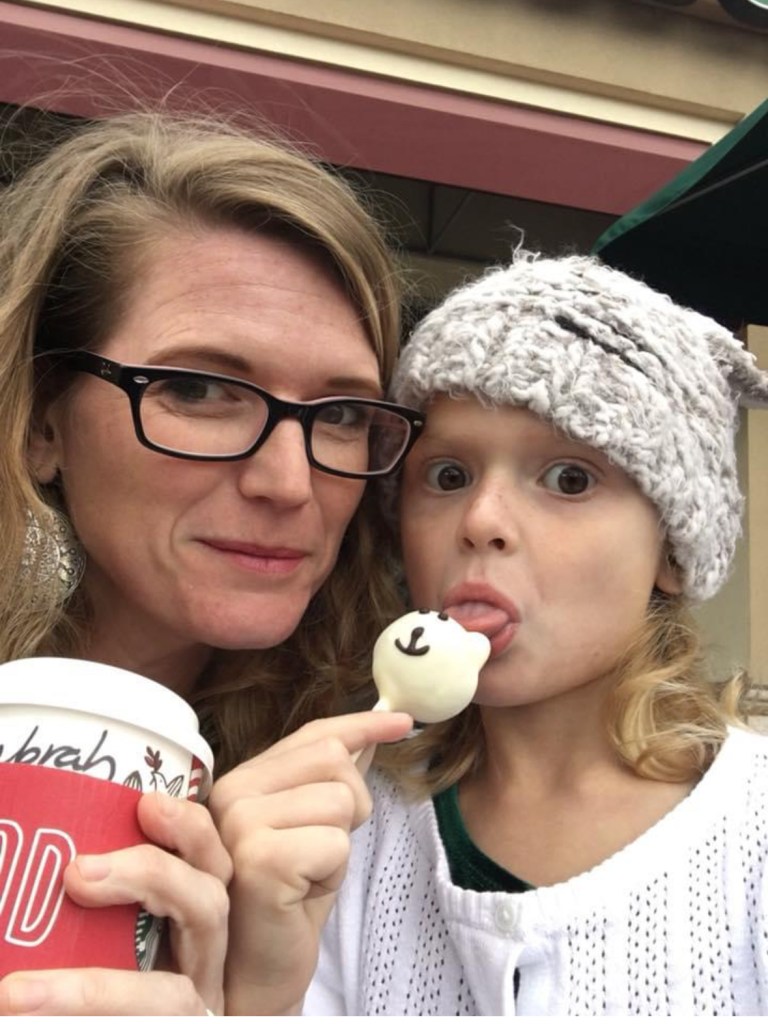
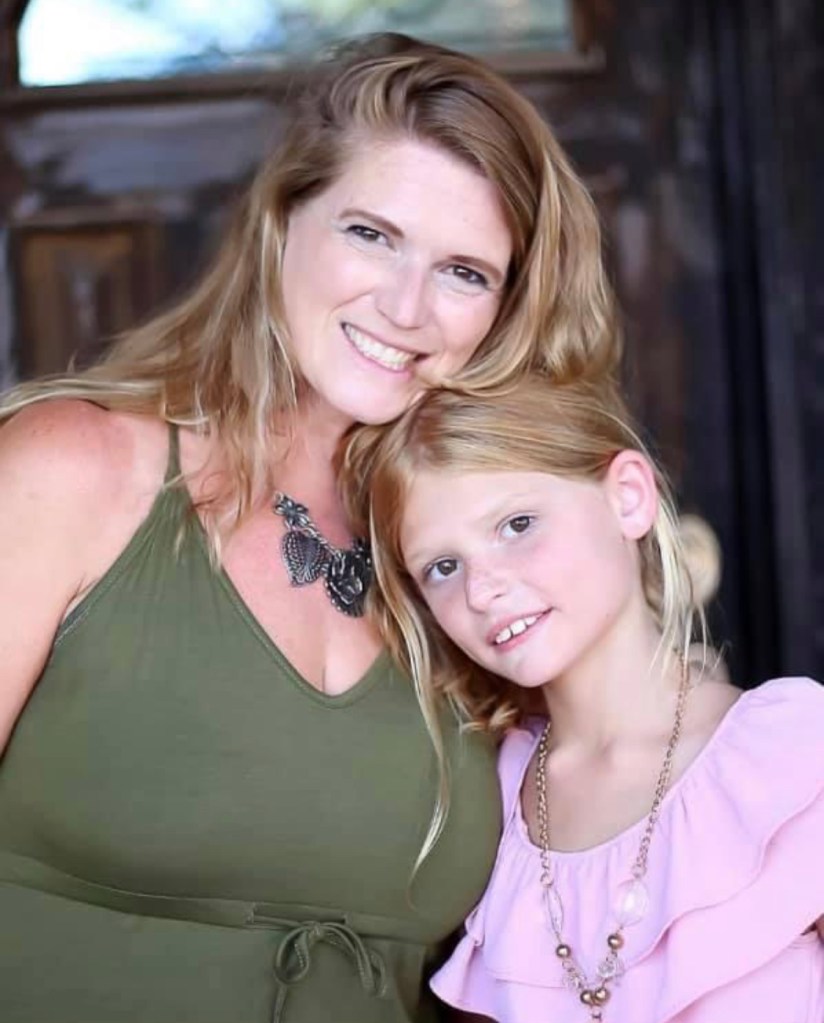
Her Kindergarten year she was in a co-teach class which had a general education teacher and an ESE teacher. She did fine because she had the ESE teacher in the classroom who provided the Tier 1 and 2 supports she needed without them being documented on an IEP or 504. The following year, however, the co-teach program was a budget cut, and my daughter was mainstreamed without any supports.
In 1st grade, we saw her start to struggle again. We repeatedly requested updated evaluations to try to figure out why she was struggling to read and retain what she was learning. Over the next 2 years, our requests were all dismissed by some loophole or another. Meeting after meeting, I learned, in that school, a child must literally be failing multiple subjects to qualify to be tested or receive supports. (Please note that this was a school specific decision – I have been in many other schools since which would have done more to help.) Meanwhile, the team disregarded the reality that the only reason my daughter was not failing was because of all the work we did with her at home.
Every parent-teaching meeting left me cowering or in tears. As an educator myself, I knew what my daughter needed, yet I felt so powerless. My daughter was a set of data points to them – not a child with emotions whose future would largely be determined by the outcomes of those meetings. This is why I am so passionate about helping clients – whether it’s through private practice or through the schools – I strive to be that person who understands each child’s needs holistically and provide guidance for helping children overcome and thrive.
I watched my daughter work 10 times harder than typical peers, but she was dismissed as simply distracted and lazy. I saw signs of dyslexia (mixed up letters, reading/language differences) as early as 1st grade, but the signs were disregarded as her ADHD. I was actually surprised at how little the teachers knew about the signs of Dyslexia. She was not grasping and retaining foundational skills, yet the district/school forced the teachers to continued to move on without any supports for struggling learners. She was penalized for not understanding and not being able to read. She was too scared to ask for help because she knew teachers easily lost patience with her. She would turn in tests with simply the words written “I don’t know” then hide the paper at the bottom of the pile. But because she wasn’t failing every subject, little was done to figure out WHY she couldn’t put words on paper.
By the middle of 3rd grade, I was spending 2 hours every night with her teaching her everything she was not learning in school.
My daughter went from her happy-go-lucky, “belle-of-the-ball” type personality in Kindergarten to a visibly anxious and depressed child who cried every day after school. She felt stupid. She was bullied. She was punished for not completing her reading tests. The school did little to identify her learning differences, let alone help. Worst of all, she felt like her teachers hated her because they lost patience with her over and over. To this day, she asks me why her teachers in school did not like her. She told me multiple times she wanted to die because her school was so hard for her. Few things break a mother’s heart more than to hear those words from her child. I knew we needed to make a change.
If my daughter was going to succeed in learning and life, she had to be in an environment in which she felt safe and confident.
I had the skillset to teach her how I knew she needed to be taught, so we pulled her to homeschool in the middle of 3rd grade.
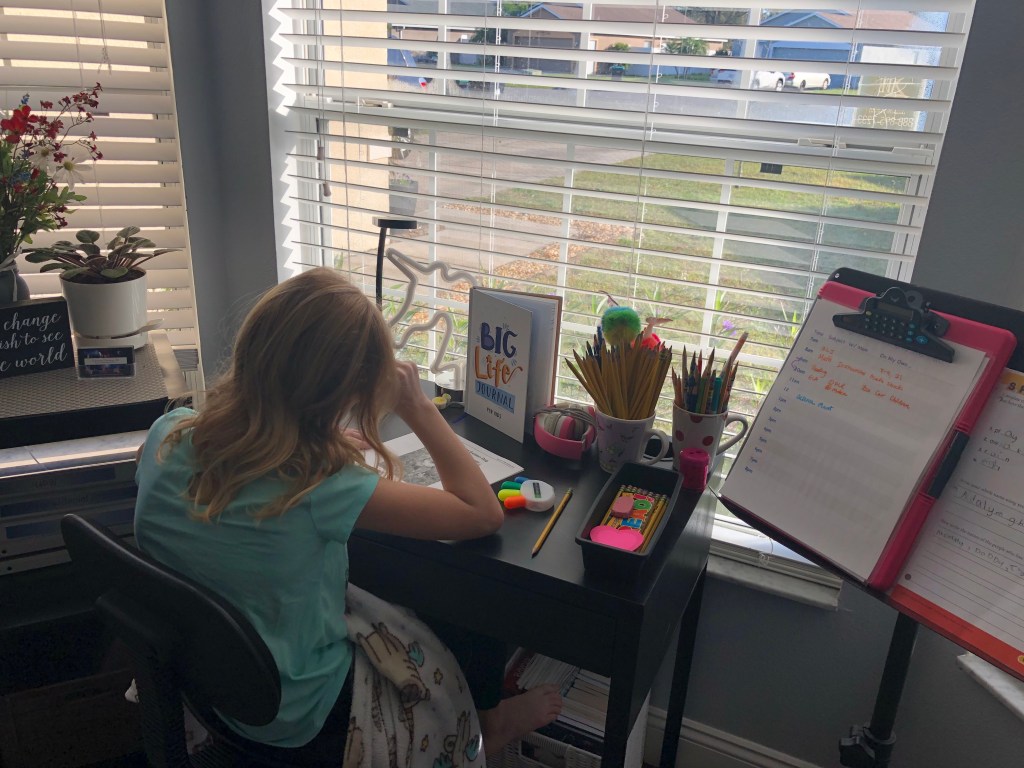
The first year of homeschooling was (and is always)… rough.
Even as a teacher, privy to the training, experience, and resources a teacher has, I had no idea where to start when it came to homeschooling. We took it one day at a time. I studied our Florida B.E.S.T. standards. I went through a variety of different curriculums – none of which were right for her – we tried pretty much everything.
The entire first year was a hodgepodge of curriculums, activities, programs – most of which did not work academically. But that was ok – the most important thing that happened that year was my daughter regained her love of life… and learning followed.
“The most important thing that happened that year was my daughter regained her love of life… and learning followed.”

We were finally able to do a psychoeducational evaluation in 4th grade which was when we learned she did have Specific Learning Disabilities in Reading and Writing (otherwise known as Dyslexia and Dysgraphia) along with visual tracking challenges. I was finally able to pinpoint how my daughter learned and which programs would be best for her. Having the data empowered me to make the tough instructional decisions like streamlining curriculums and programs. Instead of teaching towards grade level norms, I learned to approach skills at my daughter’s current level and bring her up, one skill at a time. Because the experience was the turning point in my daughter’s learning success, I have dedicated my life for being that catalyst for other parents looking for answers and resources.
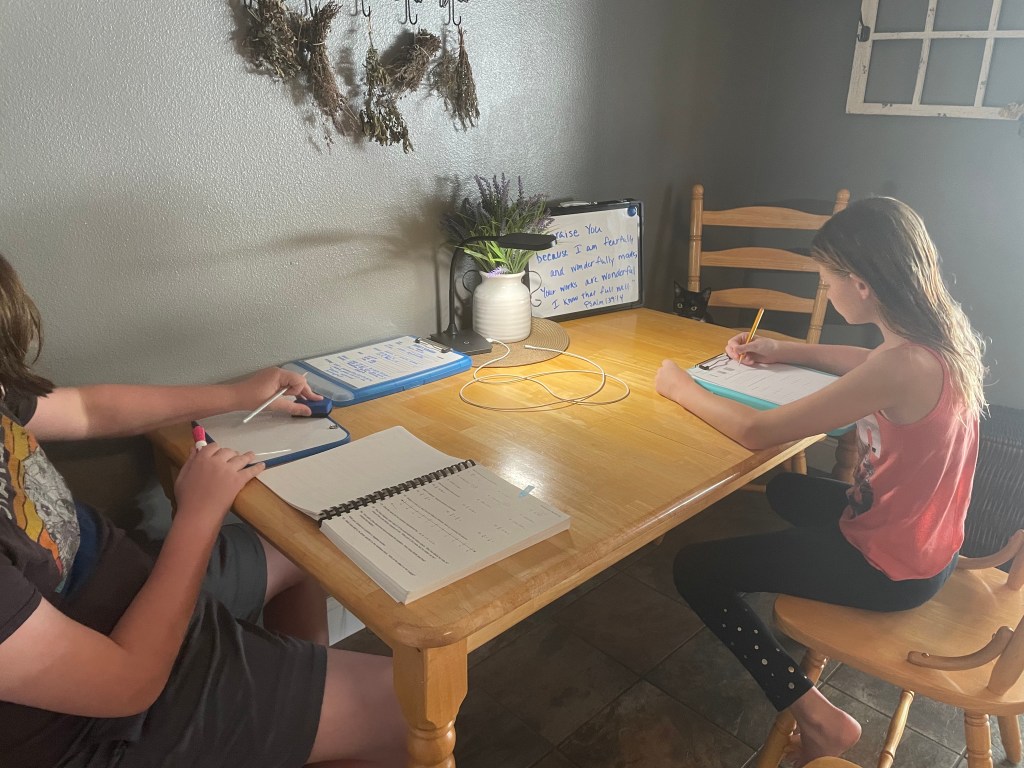
Over time, we developed our new rhythm and systems which work for us. I learned there are a lot of tools out there – success in home education is about trying out each tool and finding what works for your child. Some tools and accommodations are even a bit unconventional – but they worked! Even with students with similar learning profiles, the tools which work for one won’t work for another.
“Success in home education is about learning and trying out a variety of tools and finding which works for your child.”
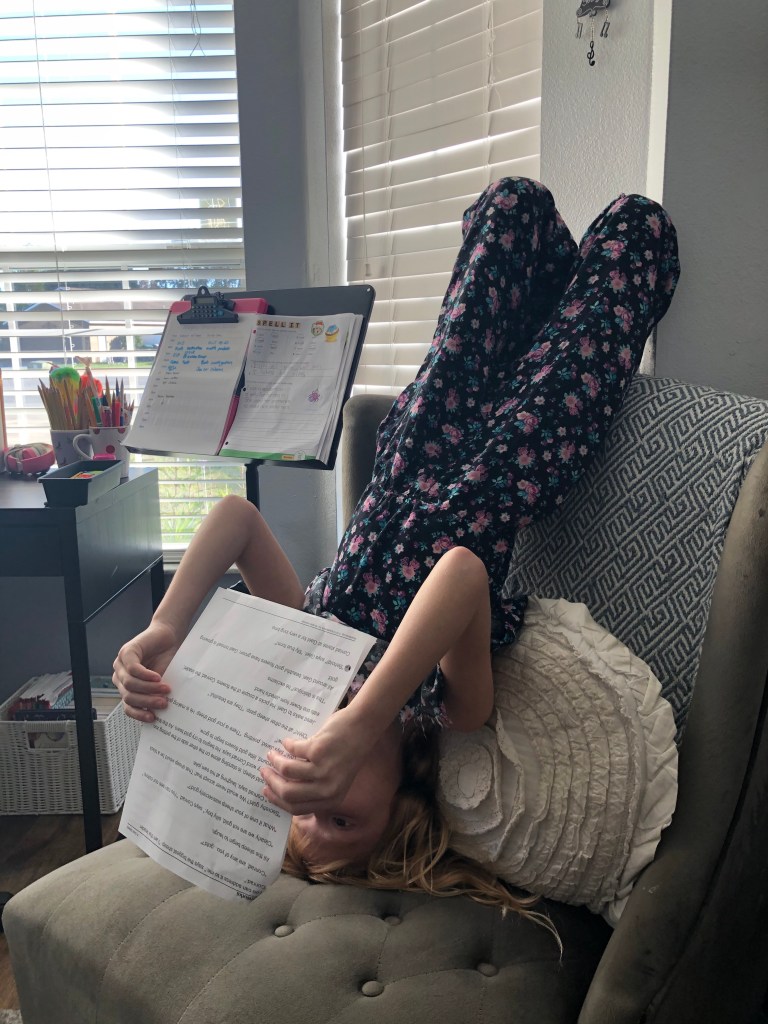
Homeschooling changed the trajectory of my child’s life.
The sacrifice of career, income, social life was worth it knowing she was gaining the confidence to learn and succeed on her own. Within months, my daughter’s countenance changed. Her confidence improved. Her love of life and learning restored.
Professionally, I had devoted myself to understanding how neurodiverse learners process information – both neurologically and psychologically. Years of research and working one-on-one with diverse learners taught me the keys to successful learning are: patience, resilience, and persistence. We keep moving forward – one skill at a time. Those small skill steps lead us to progress. In homeschooling, I applied those same soft skills to teaching my daughter.
The beautiful thing about homeschooling, especially in the state of Florida, students are free to progress at their natural pace: they are not put into boxes nor on timetables. They can explore ideas, the world, and apply information and skills in real world situations. And the cool part is, over time, many of them surpass their school peers because they can learn how they learn best!
My son’s homeschooling story is a bit different. He stayed in public school until 7th grade. He did not have the same academic nor social struggles in school, but by middle school, he too was weary of the social stress. An old soul like his mama, he just wanted to learn. We pulled him to homeschool as well.
I will never forget one of our first days homeschooling him, we went to the wetlands park. As we sat and observed the ecosystems he commented:
“This is learning. It’s not just reading about something in a book, it’s actually experiencing it in real life.”
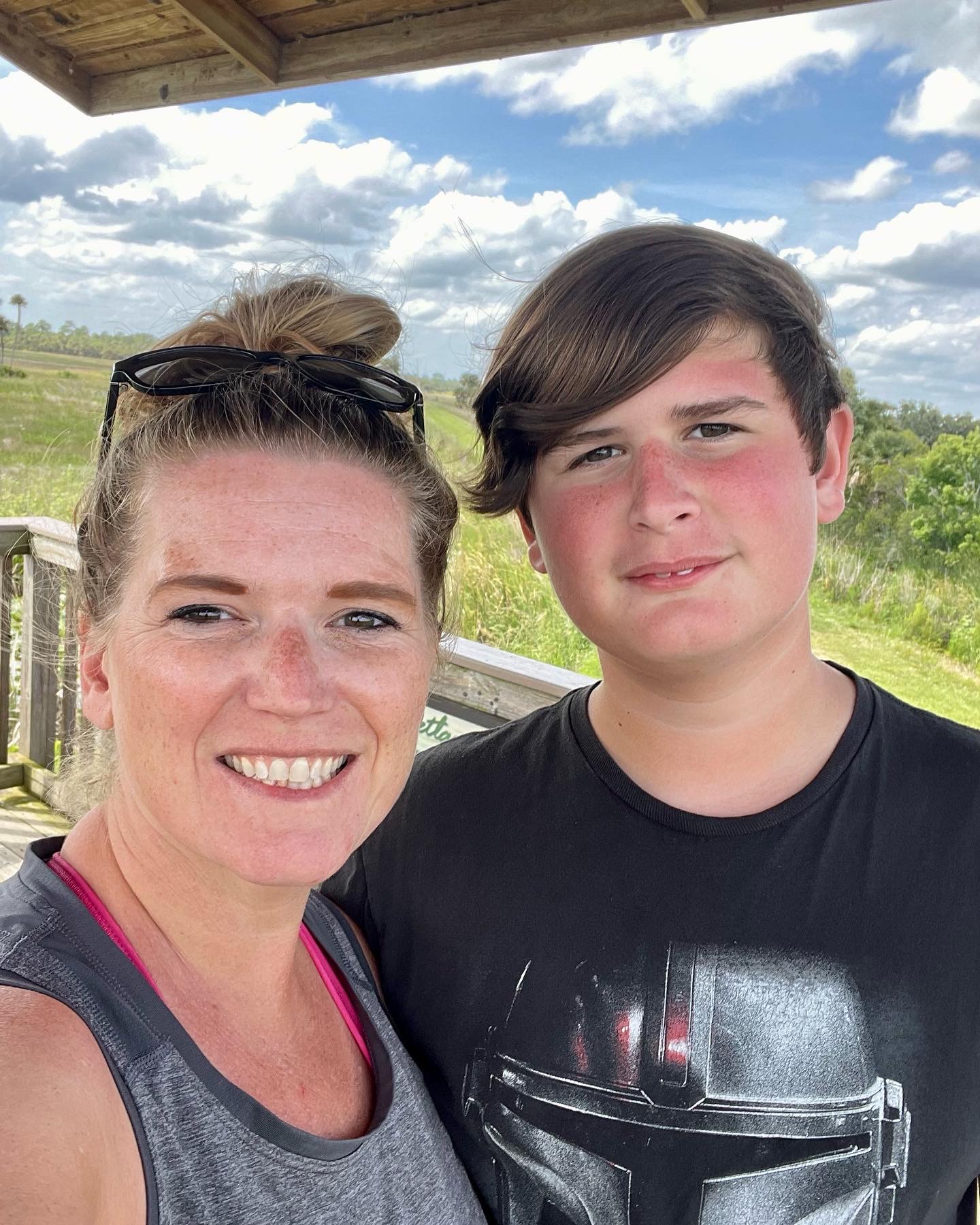

Our reasons for homeschooling our son are quite different from our daughter, but the results have been the same: the love of learning and renewed self-confidence is visibly apparent!
Six years later, my son and daughter are both thriving in high school home-based learning. My son is training to be a competitive freediver, regularly dives with sharks, and is excelling in dual enrollment classes (working towards an AA in engineering before transitioning to college). My daughter found her place to shine through riding horses. She now LOVES to read and has found an interest in historical fiction. She did her first debate recently and writes beautifully. She is working towards dual enrollment as well.


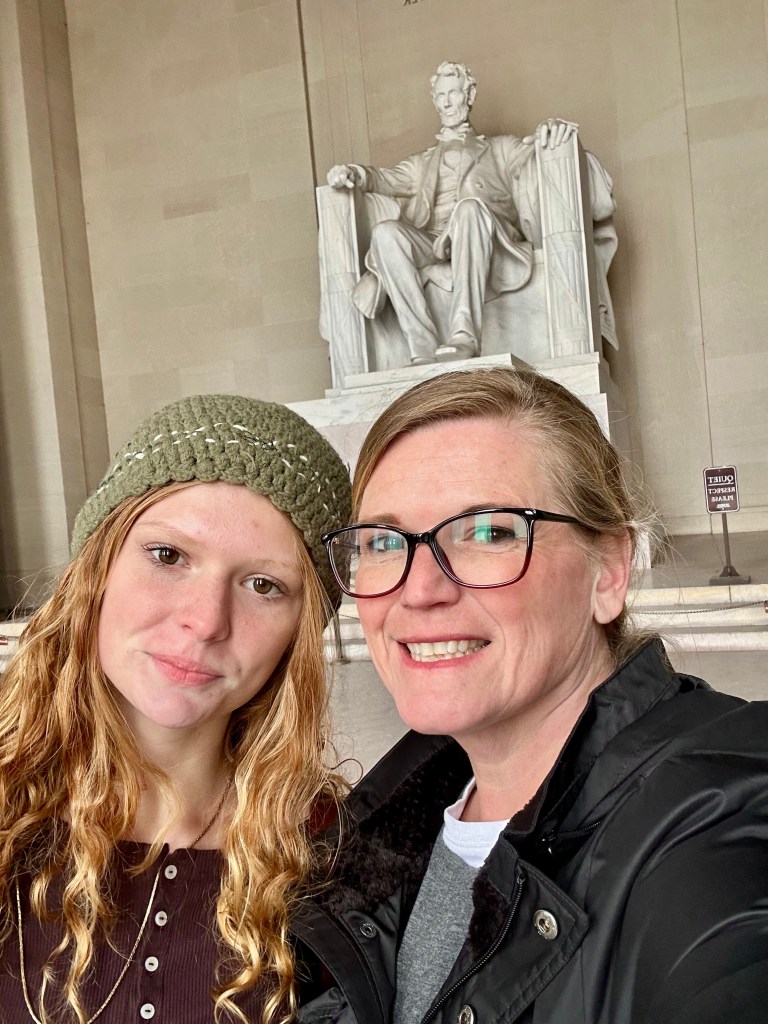


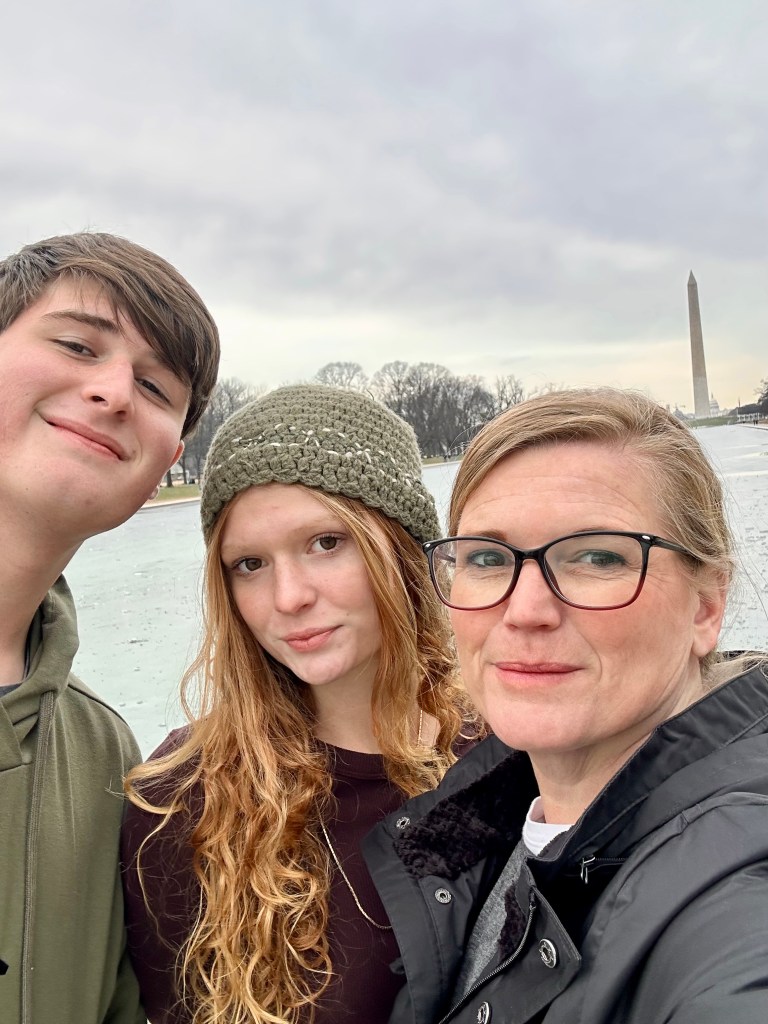
This is why I am so passionate about helping families like ours… families thrown into homeschooling because the school system was not meeting their child’s learning needs and their mental health was suffering.
Not every child struggles in school. Please know that I am not anti-public schools as they do serve a crucial part in the welfare of our community. But, for those whose children are not thriving in school, we have options!
If school is not working for your child, there are so many different programs and tools to which I can introduce you.
I even know many families where both parents work full time, but make homeschooling work. For most of us, homeschooling is a sacrifice, but it is just a season – perhaps the most important season in the life of our child(ren) – and we know it will be worth it! And,
Homeschooling as a gift… the gift of time with your kids to make indelible impressions on their hearts and minds.
I’m here to walk with you through homeschool journey! Click here to schedule your free 15-minute consultation!
 Deborah Kline, EdS